How do Backroads Trip Leaders give back to the places they travel? In Puget Sound, Backroads Field Staff organized three shoreline cleanups, removing more than 100 pounds of marine debris while helping protect the coastal ecosystems that make the region so special.
My Backroads career started in Puget Sound, Washington State. It was my introduction to this job and to a whole new world—new work, a new place and new friends. But more than anything, it was where I instantly found community. The Salish Sea became the backdrop for the beginning of my Backroads story, a place that welcomed me when everything felt new.
So when my recent schedule brought me back to Puget Sound, it felt like a full-circle moment. I was returning to a place that had given me so much at the very start of my journey. And this time, I wanted to give something back. What better way to reconnect with the community that welcomed me than by caring for the coastlines that make this area so special? As I returned to Washington, I was reminded that community isn’t just something you find—it’s something you can help build, protect and give back to.
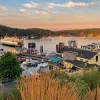
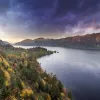
One of the things I love most about leading trips in Puget Sound is that the water is almost always nearby. Our days can start with a ferry pulling away from a harbor, continue with a ride toward the coast and end kayaking through quiet inlets where harbor seals pop up beside the boats and otters float among the kelp. On Whidbey Island, we hike bluff trails with views stretching across the Sound.
Spend a season here and you start to notice the smaller rhythms too. The ferry schedules, changing tides, bald eagles soaring overhead and the smell of saltwater when you get close to shore are all sights and sounds that shift Puget from a travel destination to a place that feels like home.
That was part of what inspired me to submit a project proposal to the Backroads Give Back program. I wanted to create a simple way for our Puget Sound field staff to care for the same beaches and coastal areas we spend so much time exploring with guests.
The idea was straightforward: gather a group of leaders, choose shorelines around Anacortes and the islands where we regularly travel, and spend a few hours removing trash and marine debris. Of course, one of the benefits of working as a Backroads leader is how unpredictable your schedule can be. I love how every day and every trip looks a little different, but it makes syncing up with existing volunteer events difficult. So, we decided to organize our own.
Naturally, one cleanup quickly became three.
Three Days, Three Shorelines
Over the course of the summer, nine Backroads field staff joined cleanups around Fidalgo and Whidbey Islands. We met on three different days in June, July and August, armed with gloves, bags and the Clean Swell app to track what we found.
Together, we collected 739 individual pieces of trash totaling more than 104 pounds.
When you spend a few hours looking closely at a shoreline, it changes the way you see it. These are places where we normally notice the bigger things: an eagle perched above the water, the silhouette of an island across the Sound or an orca offshore. During a cleanup, your eyes shift downward instead. You start noticing what has collected between rocks, washed into driftwood or gotten caught along the high-tide line. Marine pollution suddenly feels much less abstract.
For me, the most meaningful part of the project was that it directly connected to our work here. These were shorelines around the same islands where we bike, hike, kayak, shuttle, and spend time with guests every week.
Backroads’ presence in the Puget Sound is significant during the summer, and with that comes an opportunity to be thoughtful about how we show up. The Give Back program gives Backroads field staff paid time off to volunteer in the communities where we live and work. I loved that this project could be shaped around what our region needed, how our schedules actually work as field staff, and something our team genuinely cared about.
Instead of trying to force everyone into one volunteer day, we could keep returning throughout the season. Different groups joined each time, but we all got to spend a few hours caring for a place that gives us so much.
Giving Back Where We Travel
There are plenty of moments in the Puget Sound that feel spectacular. Watching for whales from a boat in the San Juan Islands or looking out across the water from a bluff on Whidbey Island make people fall in love with this region.
But spending a summer here also teaches you that what makes the Puget Sound special is the whole ecosystem around those experiences. It is the rocky beaches and kelp beds, the quiet coves and working harbors, the forests that reach almost to the water, and the communities that care for these places year after year.
Across our three cleanup days, we removed more than 100 pounds of debris. I’m proud of that number, but I think the bigger success was creating another way for our team to build a relationship with this place. We got to experience these shorelines not simply as Trip Leaders moving through them with guests, but as people who have a stake in their future.
I’m grateful to everyone who joined a cleanup this summer and to Backroads for giving us the time and resources to make it happen. I hope it becomes something we continue in future seasons.
There will always be another ferry to catch, another beautiful ride ahead, and another stretch of shoreline worth slowing down to care for.