In 2024, Vietnam became the fastest growing tourist country in Southeast Asia, surpassing Singapore with a total of 17.5 million foreign visitors. Did White Lotus Season 3 have a hand in the influx of foreign tourism? Maybe. But the bigger story? Vietnam has emerged as an affordable, foodie destination, rich with history and culture. Here’s what you can expect on a visit to Vietnam, and why it should be your next adventure.
Nature That Stays with You

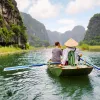
Vietnam's natural beauty is nothing short of spectacular. The limestone cliffs of Ha Long Bay, the vast cave systems of Phong Nha-Ke Bang National Park, and the rice fields of Sapa in the northern highlands are just a few of the highlights. Down south, the Mekong Delta offers a slower, water-bound world of floating markets and riverside villages. Across its 3,000 kilometers of coastline, you’ll find quiet fishing communities, tropical islands, and beaches perfect for swimming, snorkeling or simply relaxing—without the crowds of more commercial beach destinations.

National parks like Cúc Phương, Cát Tiên, Ba Bể, and Pu Luông protect rainforests, wetlands, and rare wildlife, offering opportunities to hike, camp, and explore Vietnam’s ecological diversity. Phong Nha’s Son Doong cave, the largest in the world, draws adventure-seekers from around the globe. Beyond the caves and coasts, you’ll find treks through jungle trails on Cat Ba Island, bike rides past stilted homes, and motorbike loops through quiet highlands. Adventure travel here is easy to access and always scenic.
Culture You Can Taste

Food is central to life in Vietnam, and one of the most rewarding ways to connect with the culture. Dishes like pho, banh mi, bun cha, and fresh spring rolls are just the beginning. Vietnamese cuisine balances sweet, sour, salty, bitter, and umami flavors using ingredients like rice, herbs, fish sauce, and fresh vegetables. Meals are typically shared, often served with soup, and built around rice or noodles. You can enjoy multi-course meals in elegant restaurants or sit on a tiny plastic stool and eat grilled pork skewers at a roadside cart. Either way, you’re getting something fresh and full of flavor.

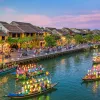
Street food is everywhere—and essential. Cities like Hanoi, Saigon, and Hoi An come alive in the evenings as food stalls and night markets fill with locals grabbing dinner or a snack. These are often the best places to try dishes that have been passed down through generations, cooked with intuition and speed. Meals are quick and affordable, relying on fresh ingredients and time-tested recipes. Beyond the food, these settings also offer a window into daily life—family routines, social gatherings, and the energy of a country that’s constantly in motion.

You’ll also find culture on every corner, from artisan markets to colonial architecture and traditional crafts. In cities like Hoi An and Hanoi, visitors can join lantern-making workshops, explore textile shops, or try their hand at local cooking classes. Travelers can take part in hands-on farming or fishing activities in the countryside or stay with local families in village homestays—offering a direct connection to everyday Vietnamese life.
Spirituality That Shapes Everyday Life

Spirituality in Vietnam is a rich blend of indigenous beliefs, ancestor worship, and major Eastern religions. Most Vietnamese households have an ancestral altar where offerings of fruit, incense, and flowers are made—especially during holidays and family milestones. Three major belief systems—Buddhism, Confucianism, and Taoism—blend into a tradition known as Tam Giáo, or “Three Teachings,” and their influence can be seen everywhere from neighborhood pagodas to public festivals.

Taoist elements appear in rituals and nature worship, while Confucian values like filial piety still shape family life and social harmony. Spirit mediumship, or Đạo Mẫu, remains a vital folk tradition, with music, dance, and ritual offerings made to Mother Goddesses and other deities. These ceremonies often happen in public temples and are as much social as they are spiritual—open, performative, and deeply community-based. What makes Vietnamese spiritual life especially unique is how integrated it is—neither overly formal nor institutional, but part of the rhythm of daily life.
A Living History

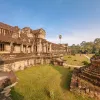
Vietnam’s history is visible throughout the country. The Cu Chi Tunnels and War Remnants Museum in Ho Chi Minh City offer an unfiltered perspective on the Vietnam War. The Reunification Palace, colonial buildings in Hanoi and Saigon, and ancient structures in Hué reflect earlier chapters of occupation, resistance, and empire. In places like Ninh Binh, you’ll discover temples nestled among grottoes, while in the imperial city of Hué, crumbling stone walls and royal tombs echo the country’s dynastic past.
Traveling here brings you close to that layered history—not as something preserved behind glass, but as part of the scenery and conversation. From French shutters to Vietnamese folk art, war memorials to bustling old markets, the past is never far from the present.
Why Now?

What makes Vietnam especially compelling right now is how accessible it has become. Infrastructure has improved dramatically in the last decade, with more reliable transportation, better lodging options, and well-supported adventure travel routes. You can hike in remote regions, then rest comfortably in stylish eco-lodges or boutique hotels that cater to both comfort and connection. At the same time, the country has held onto what makes it special: affordability, authenticity, and a strong sense of place.
Whether you’re kayaking through grottoes, trekking in the highlands, riding a motorbike along the coast, or sharing a meal with a local family, Vietnam offers an unforgettable blend of movement, meaning, and connection. It’s not just a place to visit—it’s a place to experience fully.
Ready to see it for yourself? Vietnam is waiting.