


Protecting What We Share
Protecting What We Share
In 2025, we deepened our commitment to sustainability—taking meaningful and measurable steps to continue to reduce our environmental impact and adopt responsible practices across every part of our business. Learn more about how we support organizations working to protect the planet, and explore a few of the initiatives underway, with even more to come in 2026.


Plant-based, Petroleum-free Products
Plant-based, Petroleum-free Products
Together with mountainFLOW, we’re reducing reliance on petroleum across the outdoor industry. From water bottles to bike lube, we’re making smarter, more sustainable choices.
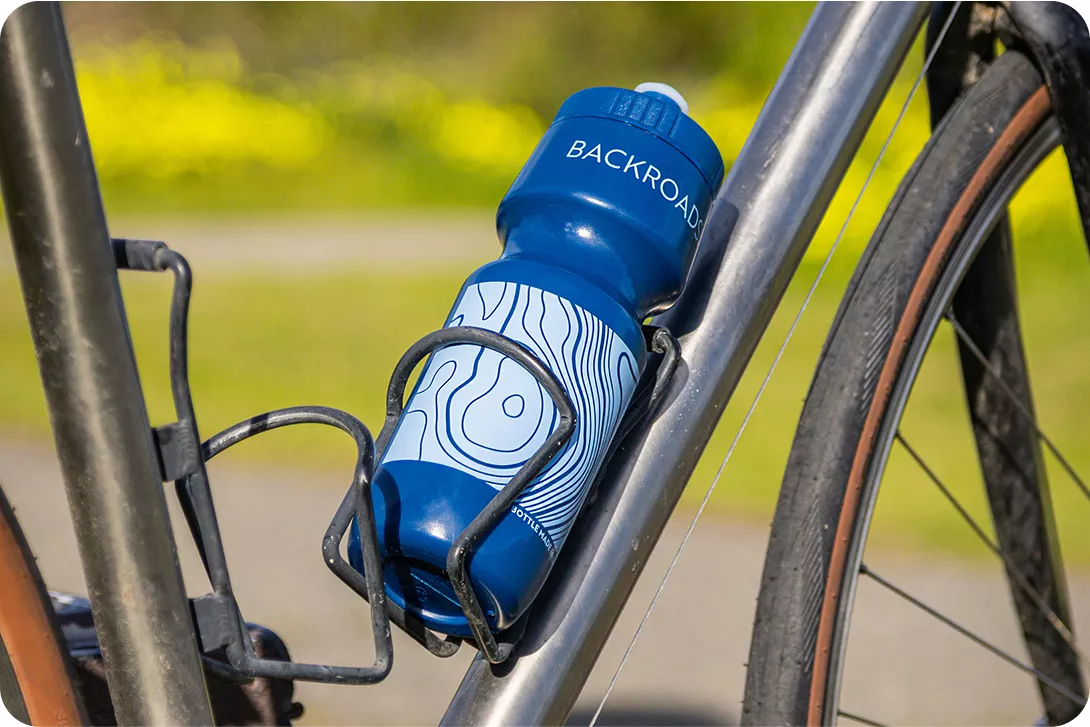
Adventure-Ready, Planet-Friendly
Made from 95% sugarcane—a carbon-negative material—these new bottles help reduce our reliance on fossil fuels while delivering the same durability and performance our guests expect.
Backing Better Gear
Our support of mountainFLOW, a certified B Corp, helps advance their research in sustainable product design and drives innovation in petroleum-free gear for the great outdoors.
Building Sustainable Systems
Building Sustainable Systems
We’re building systems that prevent waste at the source by prioritizing better materials, expanding bulk purchasing and improving storage practices in the field. When waste can’t be avoided, we keep it out of landfills through recycling and composting.

In 2025, our Field Operations Experts completed a sustainable systems training focused on preventing waste. Drawing on best practices from across regions, the training emphasized smarter bulk purchasing and optimized warehouse storage to minimize food waste on trips. In parallel, teams continued developing locally tailored solutions for materials that are more challenging to manage.
Even with strong waste prevention in the field, some gear inevitably reaches the end of its life, old helmets, broken water bottles and
popped bike tires and tubes. Instead of sending these materials to a landfill, we’re building better systems to give them a responsible next step.
Our Environmental Footprint
Our Environmental Footprint
We promote sustainable lifestyles in our offices worldwide by incentivizing low-impact commuting and offering robust compost and recycling services. Now we’re taking the next step: measuring and monitoring greenhouse gas emissions from our facilities and expanding waste reduction efforts to strengthen our impact and accountability.

Measuring Our Emissions
In 2025, Backroads completed its first comprehensive greenhouse gas emissions inventory across our offices, warehouses, and vehicle fleets. This deeper understanding helps us identify how our operations impact the places we travel and the communities we’re part of. As climate change continues to shape ecosystems, outdoor access, and the future of active travel, this work enables us to focus on meaningful emissions reductions, strengthen long-term resilience, and align our operations more closely with our values.
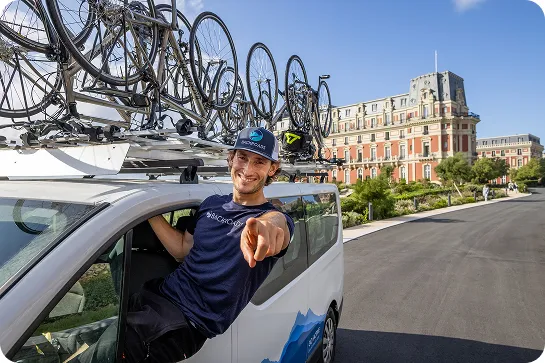
Electric Vans in Global Operations
We’re powering up our transition to cleaner transportation. In 2026, more than 100 plug-in hybrid vehicles will be deployed across our European operations, alongside new EV charging infrastructure at our French office. In the US, a grant-funded study with Utah Clean Energy confirmed the potential for EV adoption in our Utah fleet, paving the way for a pilot of one to three fully electric vehicles in 2026.
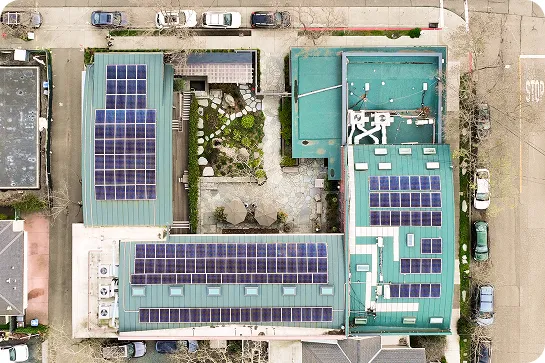
Sustainable Offices
Our Berkeley office already operates with rooftop solar, and in 2026 we will explore expanding solar energy at our France office to further reduce reliance on fossil fuels.
We also moved into a new office in Utrecht designed with sustainability in mind, featuring BREEAM, WELL, ActiveScore Gold and A+++ building certifications.

